Scott Adams passed away recently. I used to be a pretty big fan of Dilbert – back when I was a kid, I would read his comics in the newspaper. Sometimes I would cut them out and paste them on my wall. I didn’t understand the business jargon, but I enjoyed the absurdist humor and I still have one of his print collections. My condolences to his family.
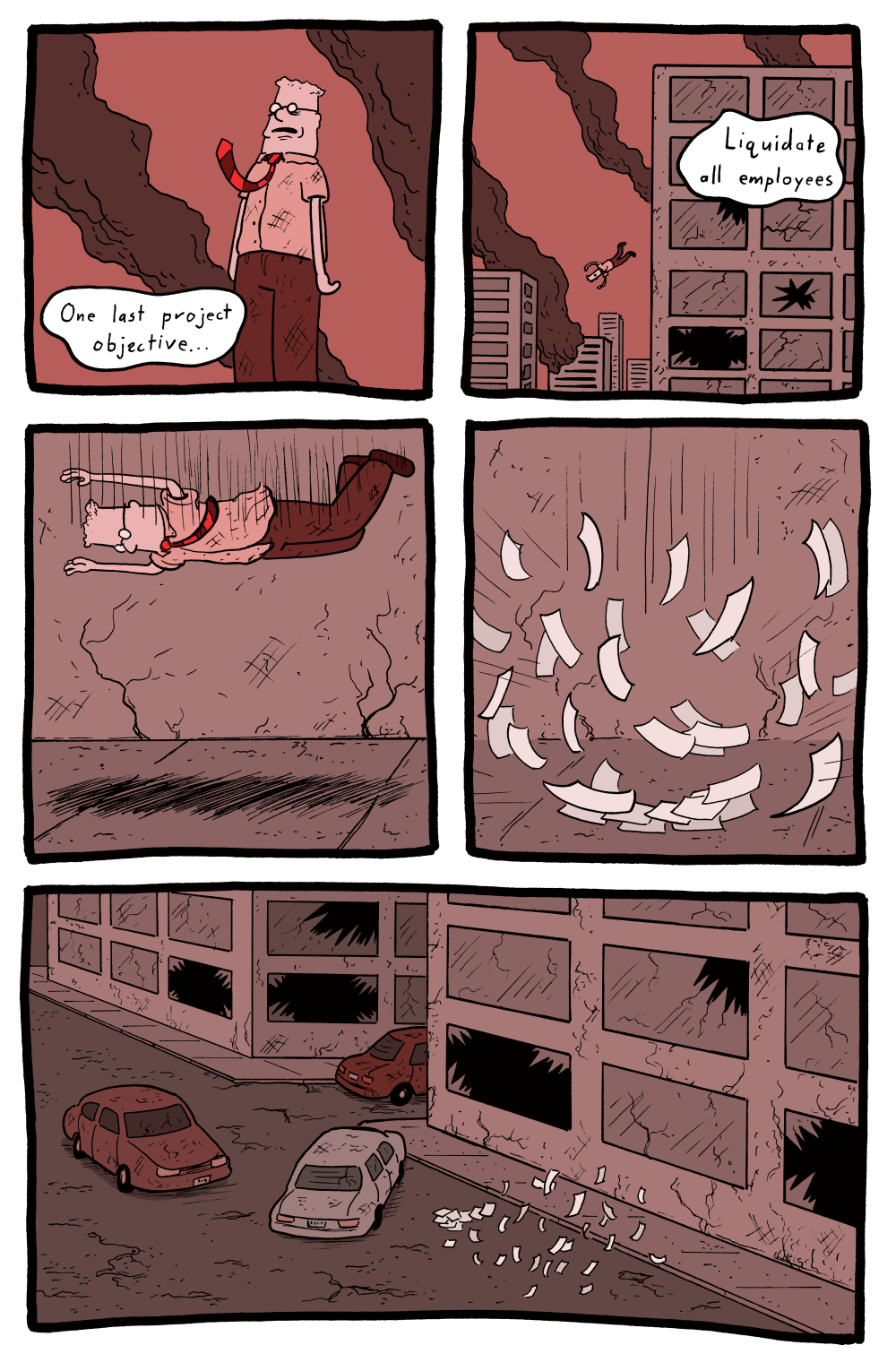
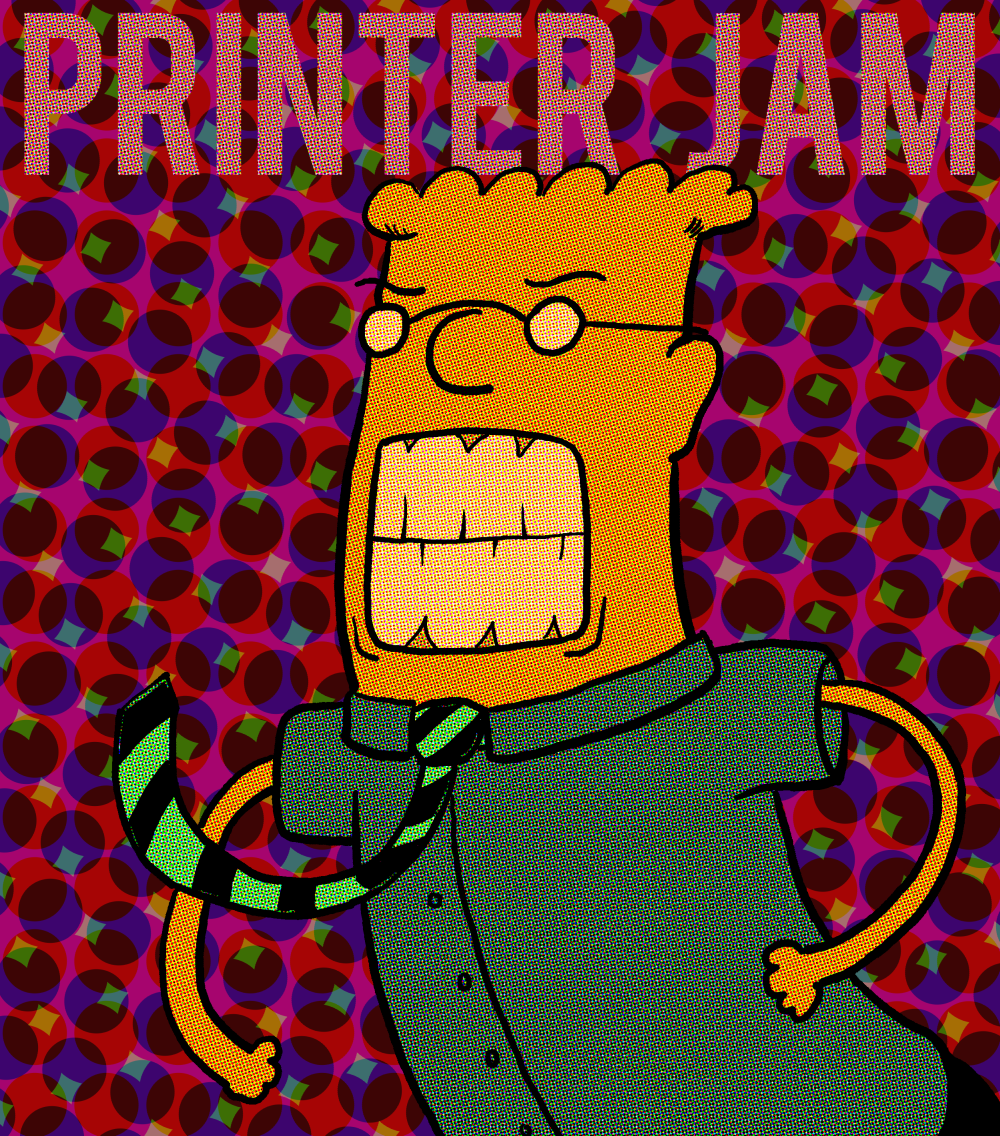
I drew a bunch of goofy drawings of Dilbert in the past. Regarding the Ghost Office comic, there isn’t any subtext, it’s just a goofy comic I drew many years ago. If you’ve ever seen the Garfield memes, then you know what I was going for.

Just to be clear, I don’t have any malice towards Scott, and I do wish his family the best during these difficult times. But I feel that I should share my thoughts about Scott Adams’ behavior later in life because… the guy was weird, okay?
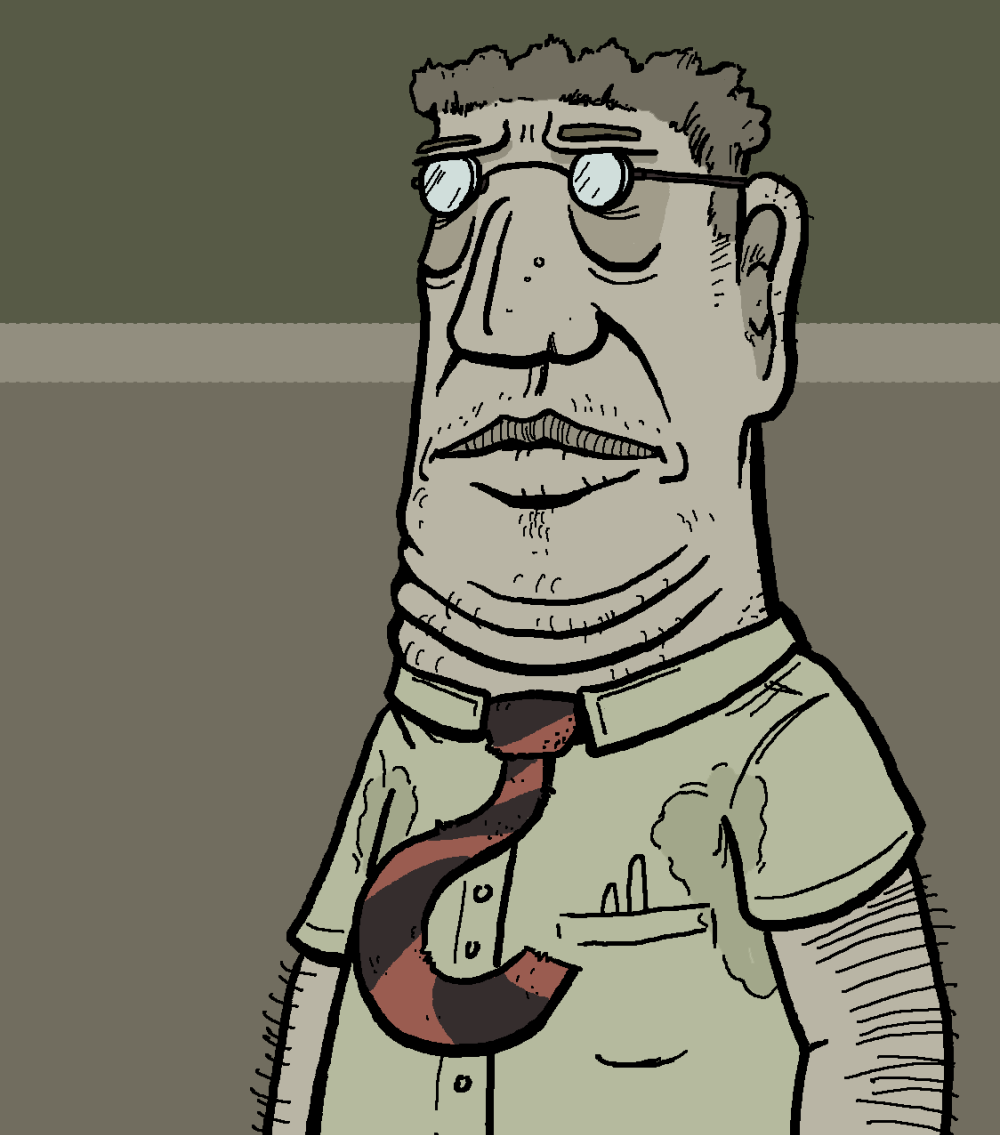
Like I said, I don’t have any malice towards Scott. At most, I just felt befuddled at his behavior. How did we get here? Imagine being a kid and reading the goofy office comic in the daily newspaper, and then you wake up years later and the author of said comic is going on about hypnotism, weapons-grade persuasion, and telling parents to kill their troubled teens to prevent them from committing school shootings. Was he always like this? Did recent events turn him into this person? Scott once said in an interview that he had “f— you” money and could say whatever he wanted without serious financial repercussions. I guess money changes people.
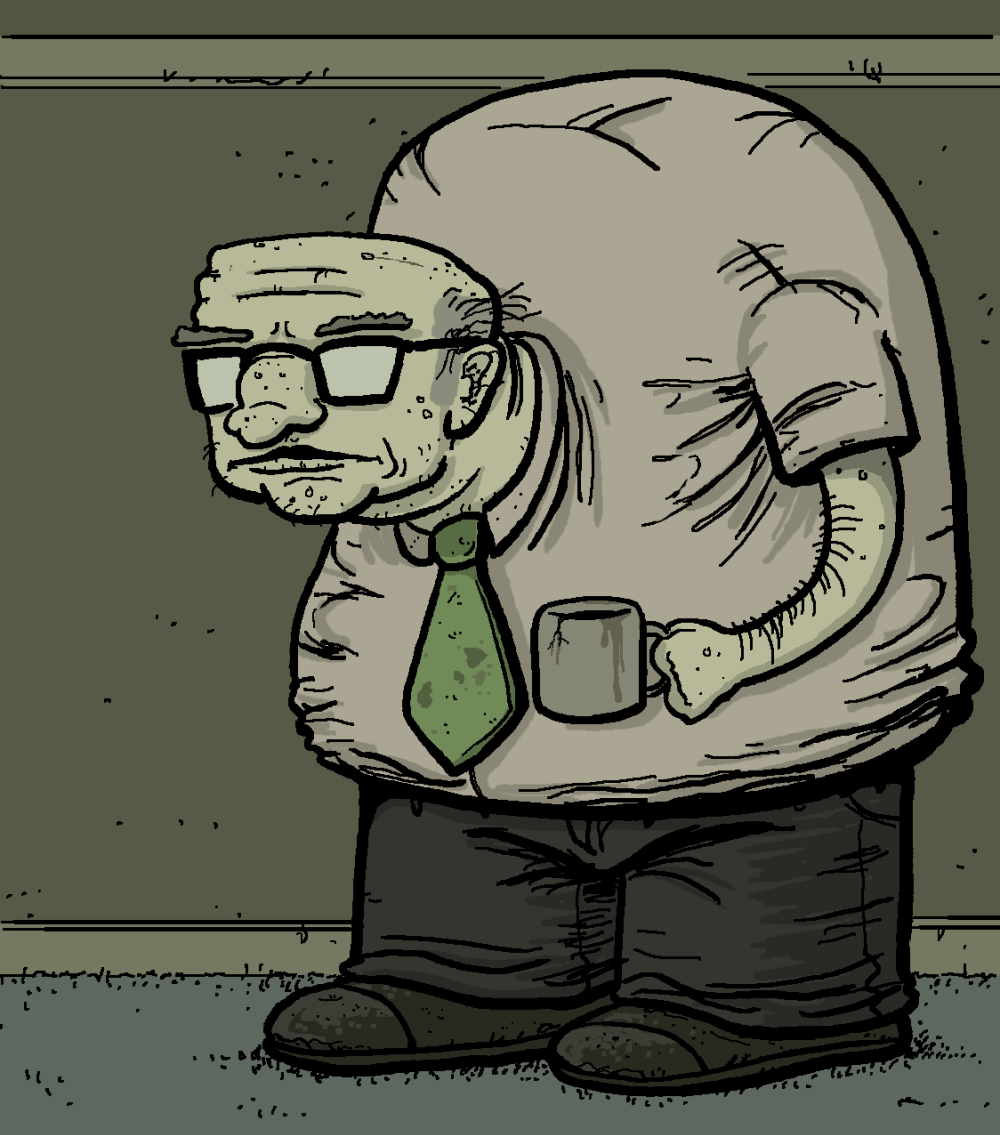
When I said I don’t have malice towards Scott, that’s primarily because I didn’t engage with him. I didn’t keep reading Dilbert as an adult, even when I started working in an office myself, and I didn’t read his Twitter or blog posts. His remarks were pretty heinous, but they were so outlandish that I couldn’t take him seriously enough to get angry. Besides, he wasn’t in a position of authority where his word was law, so these were just horrible opinions. But out of morbid curiosity, I would occasionally check to see what Scott had said, typically when he got himself into another controversy.
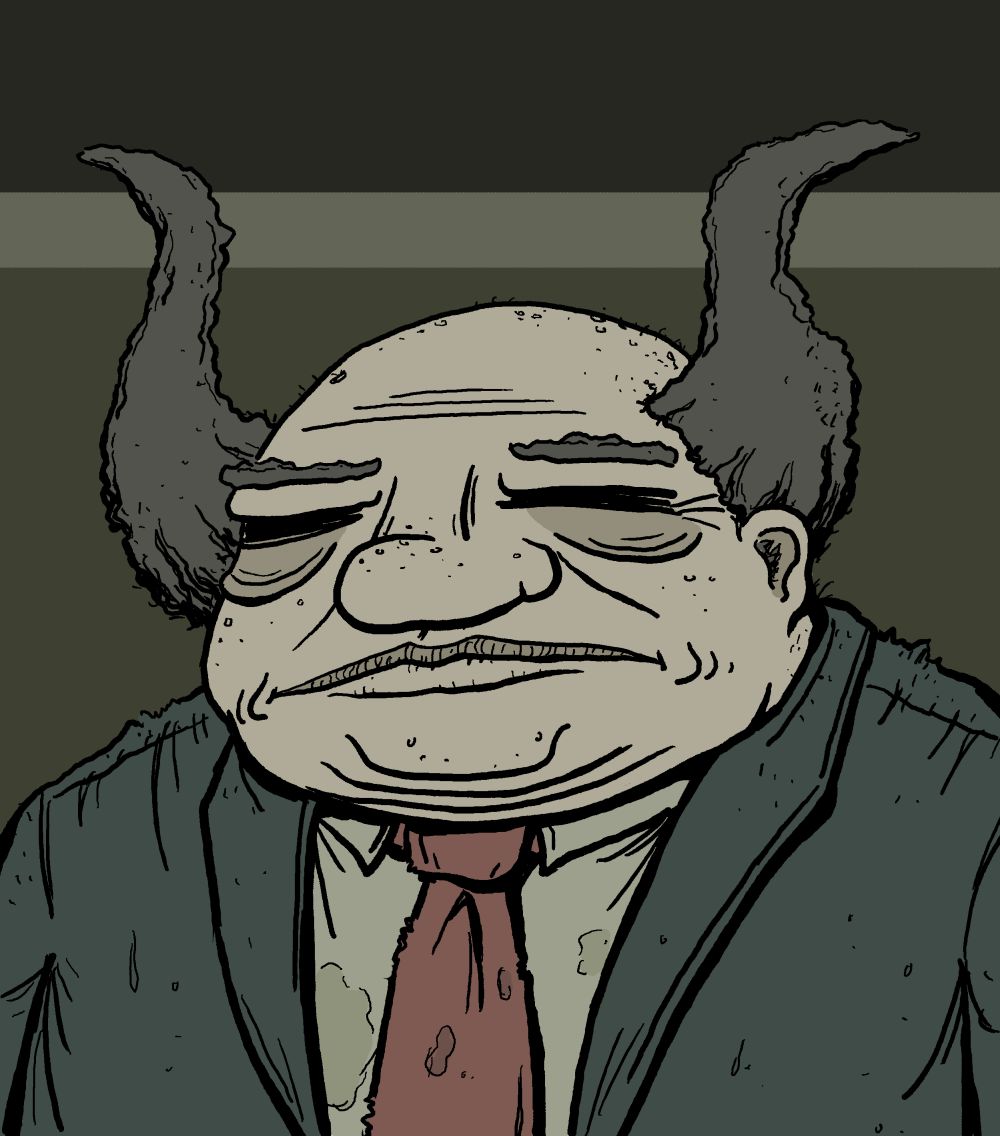
I did attempt to read his book Win Bigly. I made it through the introduction, maybe the next chapter, and then gave up because I found his logic to be absurd. I guess it’s fitting – I didn’t understand the office jargon when I read Dilbert as a kid, and I didn’t understand his bizarre reasoning when I read his book as an adult. In Win Bigly, I remember him talking about how everyone views reality through filters, and you pick the one that makes you happy and predicts the future. Examples include the Religion Filter, the Atheist Filter, and the Mushroom Filter. Yeah, the Mushroom Filter is a hallucinogenic drug filter.
First off, he’s making an objective statement about reality that reality cannot be objectively known, which seems contradictory. I do wonder if Scott came up with this theory in response to the concept of intersectionality. But his version doesn’t work because he’s telling readers to choose a filter based on very subjective criteria. Happiness tends to be situational, and no one can predict the future. Besides, I’d rather not take advice on forming a worldview from someone like Scott, who cheekily identified as a Black woman to own the libs. Maybe I’m missing context, but I read Win Bigly years ago and I don’t want to go back and read it again.

I understand that Scott had started talking about DEI in the Dilbert comics. I’m going to go out on a limb and say that this could work. The characters of Dilbert are weasels, crooks, and slackers, so I could imagine the comic showing how someone’s desire to promote diversity in the workplace is corrupted by the corporate world. Maybe Scott’s flippant “I identify as anything” remarks could have been refined in the comic, where the need to make employees feel comfortable at work with their identity is misused by bad actors. But I barely read late-era Dilbert, so I have no idea what Scott actually made. If it was anything like his tweets or other comments on race, then I’m not interested.

A common sentiment I notice when reading Scott’s remarks is a sense of indignation at the unfairness of the world (with a particular focus on racial and gender equity), which rings hollow when coming from someone as successful as Scott Adams. Despite all the controversies and setbacks, Scott seemed to have a wildly successful career compared to other cartoonists and creators in general. I mean, Scott alleged that his animated show was cancelled because he was white, but most cartoonists don’t even get an animated show to begin with. Why did Scott care that he (allegedly) lost previous jobs in corporate America for being white when he would eventually find more success with Dilbert?
Reading his final statement, I question if it’s even worth it to share my thoughts. The only reason I’m writing this is because I was once a fan of Dilbert, but he barely acknowledged the comic as he talks more about his books in his last message. But at least Dilbert was mentioned, unlike the poor Dilberito. I guess that speaks more to the current state of comics in America – Scott Adams was one of the few remaining superstar cartoonists. Nowadays, it seems that comic artists need to diversify if they want to make a living. For example, a lot of artists have started livestreaming to generate income. For Scott, it seems he diversified by getting into political commentary and writing books like Win Bigly.
Growing up, I used to want a career like Scott’s, where you could draw comics for a living without being chained to the drawing table. That dream doesn’t seem plausible anymore (at least in America), and I’ve made my peace with that. I guess Scott’s passing reminded me that the dream is gone. Scott himself was not the same person that I knew from the pages of Dilbert. Even Dilbert had changed when he stopped wearing the curvy tie. Scott’s last statement read, “If you got any benefits from my work, I’m asking you to pay it forward as best you can. That is the legacy I want.” We don’t get to choose our legacy. Reading Dilbert nowadays is tainted by Scott’s awful remarks, but as I’m flipping through my Dilbert comic strip collection, I can see why I enjoyed the comic back then.
Leave a Reply
You must be logged in to post a comment.